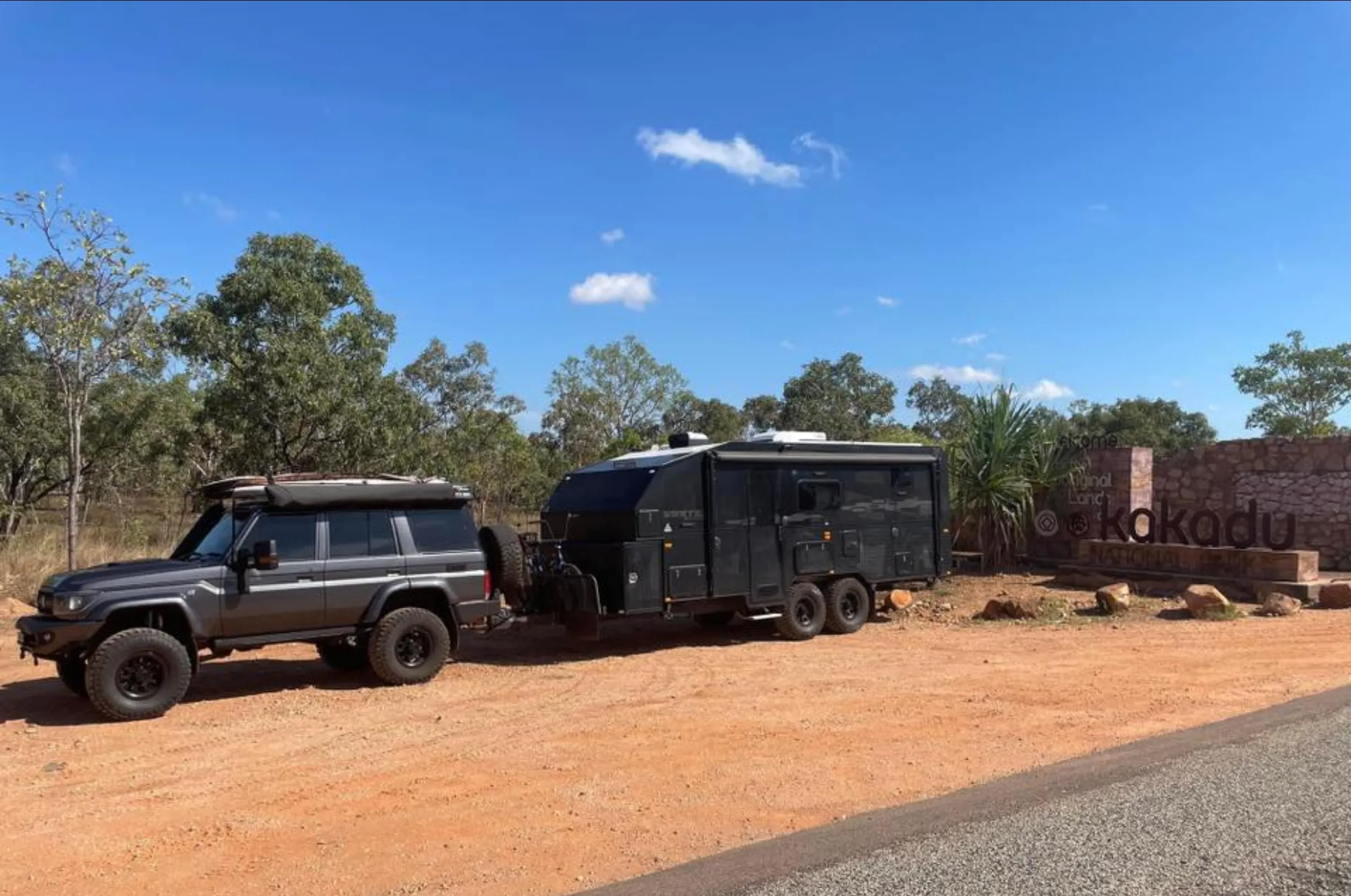
You can self-drive Kakadu National Park, and it’s one of the best ways to explore Australia’s UNESCO World Heritage-listed wilderness. Spanning nearly 20,000 square kilometres of rough country, wetlands full of native birds, waterfalls and ancient rock art sites, Kakadu National Park is the ultimate outback adventure for those who love to explore.
Just a few hours from Darwin City, Kakadu’s sealed roads, unsealed roads and remote tracks make it perfect for a Self-Drive Tour — especially if you want flexibility, independence and to stop at places like Ubirr Rock, Jim Jim Falls and Yellow Water Billabong.
Self-Drive Kakadu National Park
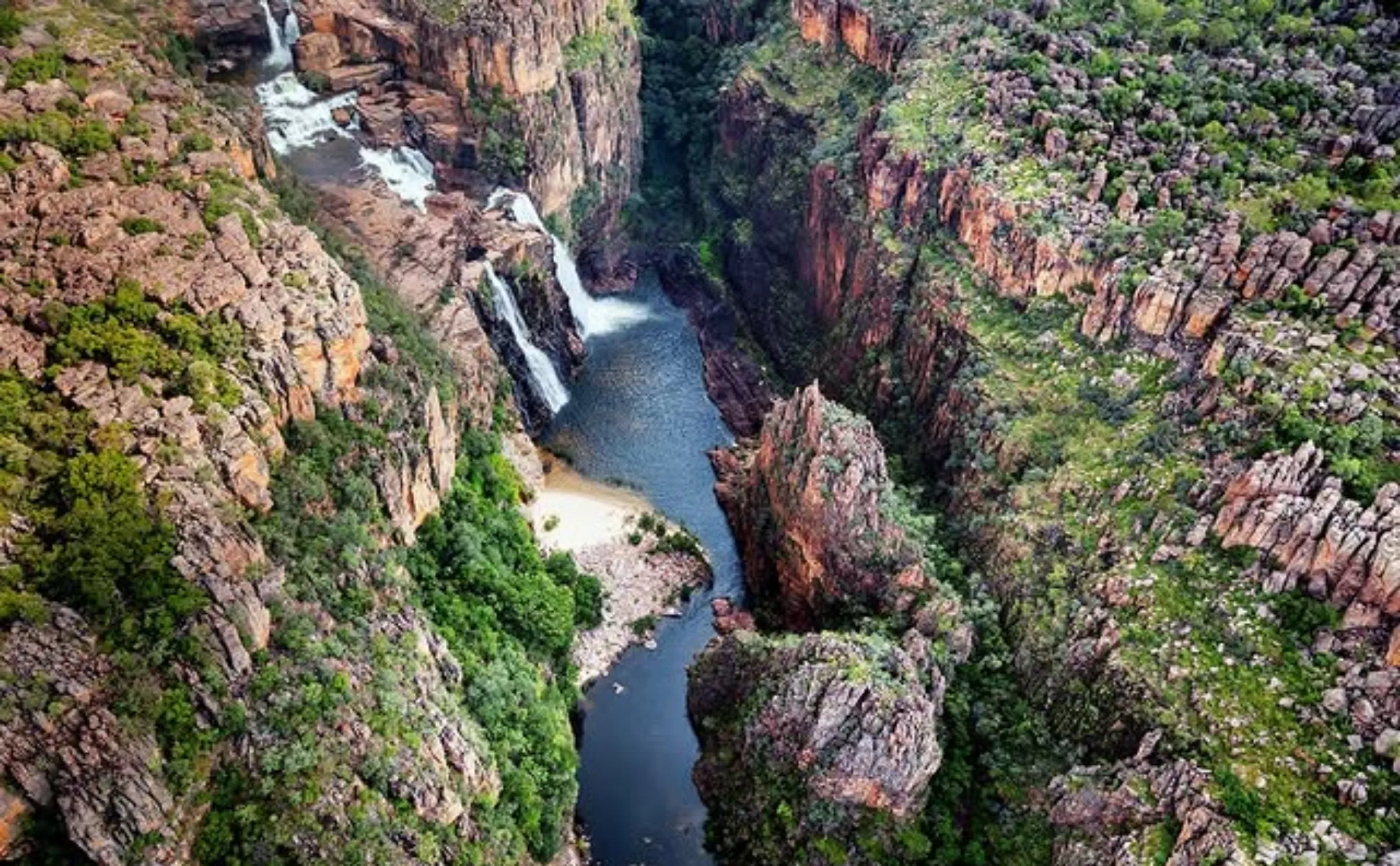
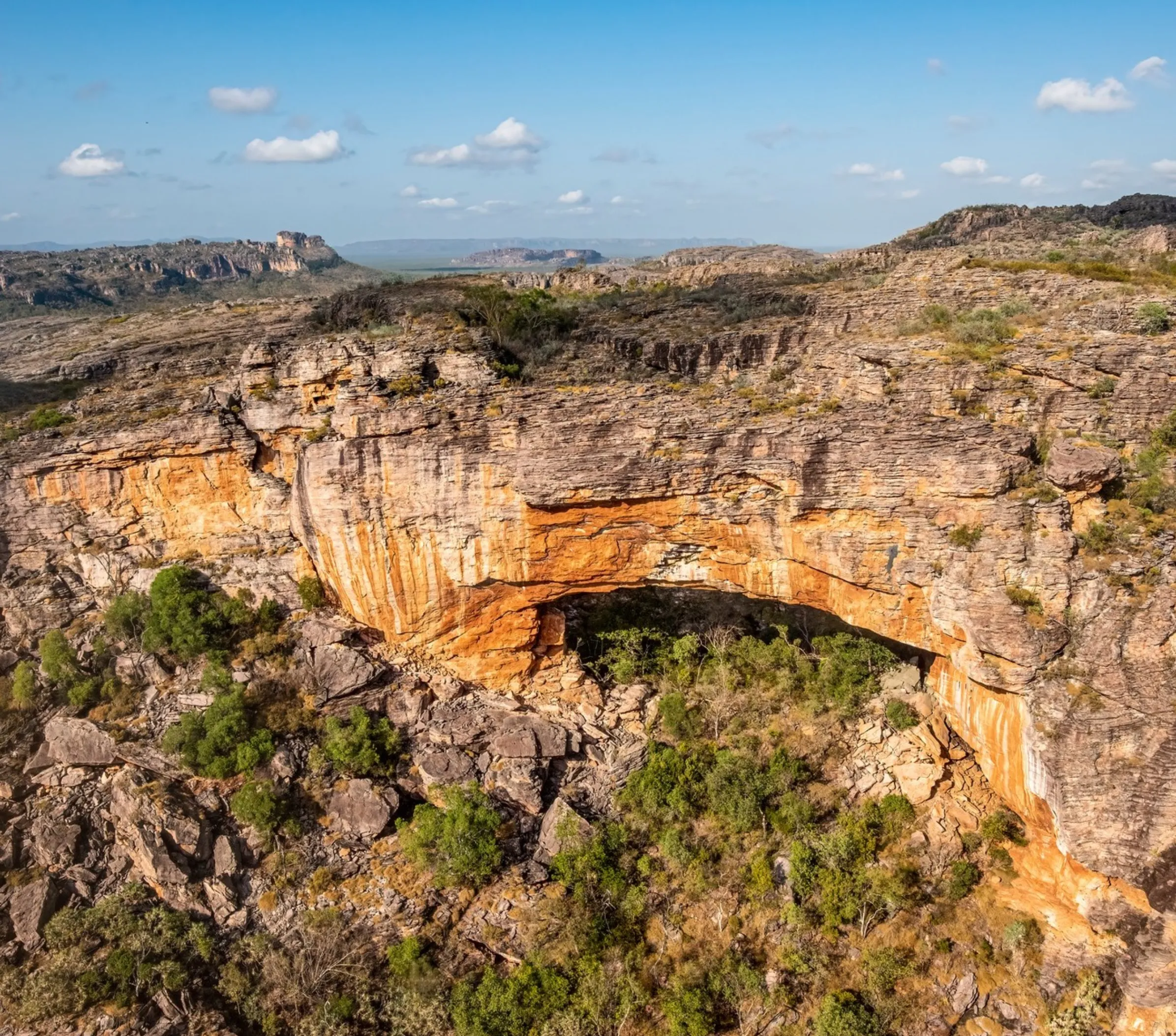
A self-drive trip through Kakadu means you can access remote wonders that are often missed by group tours. You can set your own pace and take spontaneous detours to see exotic wetlands, rock pools, prehistoric Indigenous rock art and the Arnhem Land escarpment. Key sites like Mamukala Wetlands, Bowali Visitor Centre and Warradjan Aboriginal Cultural Centre will give you insight into Aboriginal culture and the natural values of this huge park.
Unlike many Kakadu National Park tours, self-driving allows for special requests, longer hikes to lookout platforms with views, dips in plunge pools like Florence Falls and early morning sunrise cruises through Yellow Water — all without the rush.
What Do You Need?
1. Vehicle
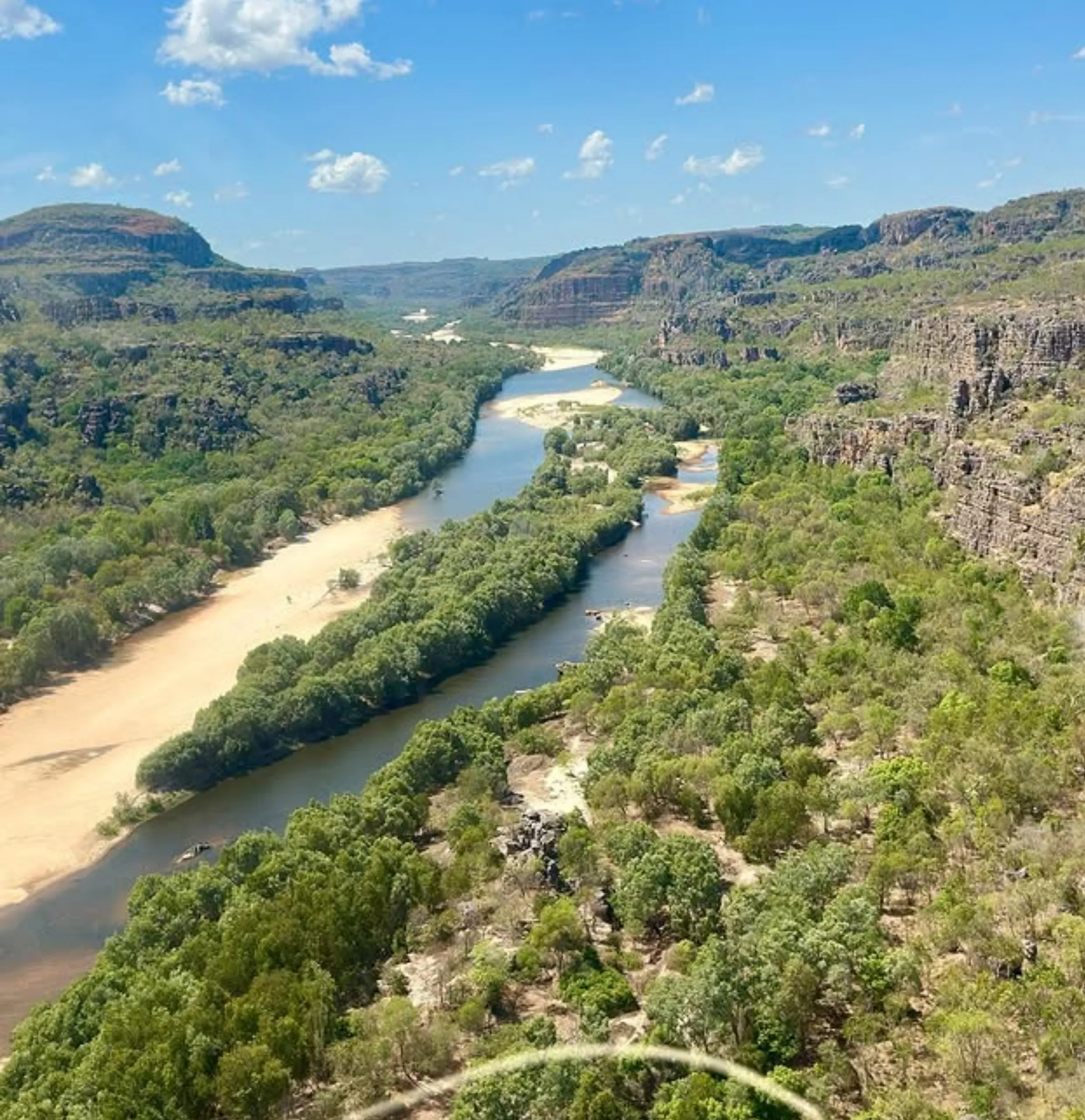
A standard Fly-Drive Car can do the main sealed road network, but to get to the heart of Kakadu — like Twin Falls, Jim Jim Falls, Motorcar Falls or Sandy Billabong — you’ll need a 4WD. Routes like the Jim Jim Falls road and those to rock art galleries or wet season billabongs often require deep sand or rocky creek crossings.
2. Park Pass
You’ll need a Park Pass to enter Kakadu National Parks, available online from Parks Australia or from places like Bowali Visitor Centre, Aurora Kakadu Lodge or Cooinda Lodge. This pass supports the conservation of the park and the traditional owners — the Aboriginal people who have lived here for thousands of years.
3. Seasonal Information
Kakadu’s seasons impact road driving, access and safety:
- Dry season (May to October): This is the peak season for self-driving, with roads open and most sites accessible.
- Wet season/monsoon season (November to April): Expect road closures, travel disruptions and storm season flooding. But the landscape is a wonderland of nature, perfect for scenic flights over turbulent waterfalls.
Check road conditions regularly on official sites before attempting any unsealed road adventures.
Top-End Self-Drive Adventure
Day 1: Darwin to Jabiru
Start with a Darwin tour of the city or coastal sights, then head east on Arnhem Highway.
- Visit Adelaide River Jumping Crocodile Cruises to see saltwater crocodiles in action.
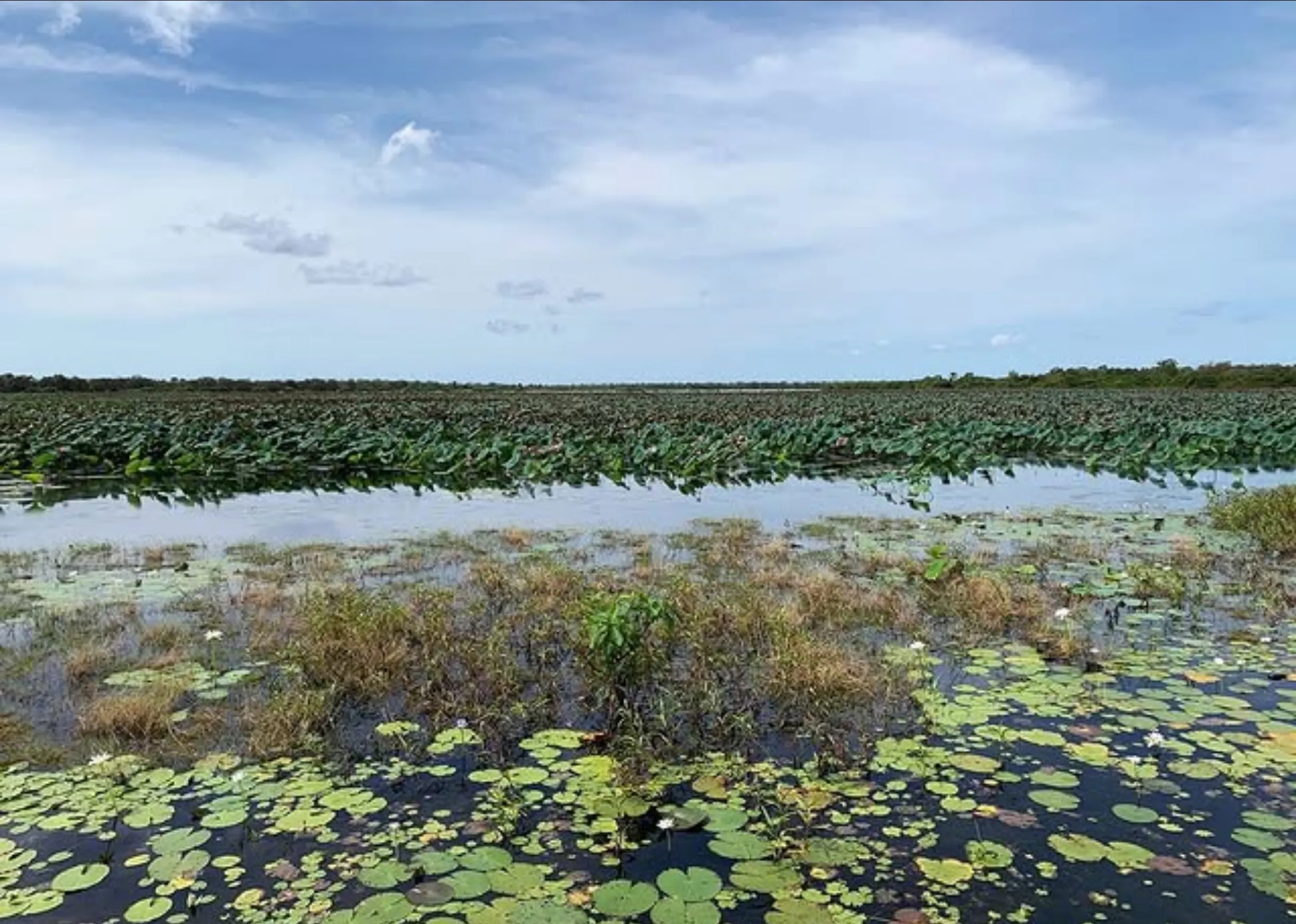
- Stop at the Mamukala Wetlands Walk for birdwatching — magpie geese and migratory birds.
- Explore Ubirr Art Site for views and amazing rock art.
Day 2: Jabiru to Cooinda
- Visit the Bowali Visitor Centre to learn about the ecological and cultural layers of Kakadu National Park.
- Explore Nourlangie Rock and its rock art galleries.
- Take a Yellow Water Billabong cruise, a highlight of many Kakadu National Park tours.
- Stay overnight at Cooinda Lodge or Mercure Kakadu Crocodile Hotel.
Day 3: Adventure South
- Head to Jim Jim Falls and Twin Falls (4WD required).
- Optional side-trip to Motorcar Falls or Gunlom.
- Return via Pine Creek or continue south to Litchfield National Park, Wangi Falls, or Nitmiluk National Park.
This itinerary is similar to many 3 day Kakadu tours from Darwin, but you have full control and can go off the beaten track.
Tips for a Safe Adventure
- Check road conditions before each leg, especially the Jim Jim Falls road.
- Get a comprehensive insurance policy that includes Covid Cover, Medical expenses cover, and travel insurance providers that cover unsealed roads and remote locations.
- Follow safety signs, especially near waterways where saltwater crocodiles and big reptiles live.
- Pack extra food, water and fuel as distances between sites are huge.
- Prepare for fitness levels and steep climbs if hiking to mountain gorges or viewing platforms.
Accommodation Options
Kakadu has options for self-drivers:
- Aurora Kakadu Lodge – With outdoor pool and Caravan Park facilities.
- Cooinda Lodge Kakadu – Close to Yellow Water and great for Corroboree Billabong trips.
- Mercure Crocodile Hotel – Comfort meets curiosity in this outback pub-style resort.
- Mardugal Campground & Merl Campground – Budget friendly.
- Holiday Parks along the Kakadu Highway for campers and caravans.
Rent a Car
Yes. From Britz Darwin to international travel deal providers, you can hire 4WDs, campervans or Fly-Drive Cars for outback conditions. Just make sure:
- The vehicle is insured for unsealed roads.
- Your insurance coverage allows access to remote parks.
- You’ve got coverage through reliable travel insurance providers.
Commercial flights into Darwin International Airport make Kakadu easy to get to for European countries and allow for a seamless Darwin-Kakadu fly-drive.
Final Thoughts
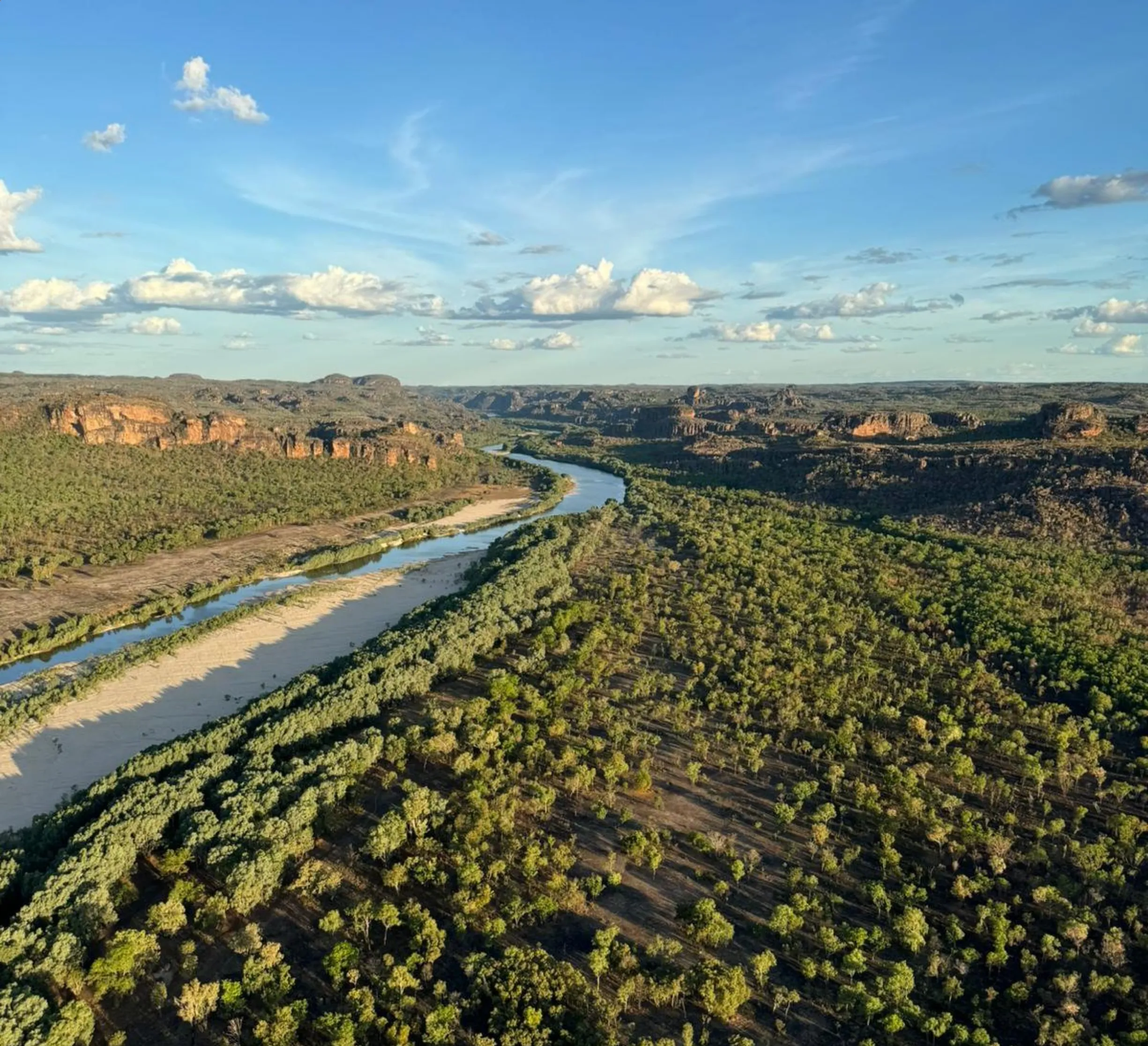
Self-driving Kakadu National Park gives you the freedom to discover its wetlands, ancient culture and wild terrain on your own terms. Whether you’re soaking in a deep pool under a waterfall, looking at Indigenous rock art or gliding past waterlilies on a Guluyambi Cultural Cruise, every km driven opens up an amazing experience in one of Australia’s wildest places.
Combine Kakadu with Litchfield National Park, Nitmiluk Gorge or Katherine Gorge for a truly outback adventure travel.
FAQ
Is it safe to self-drive in Kakadu in the wet season?
While possible, many unsealed roads close in the wet season and Jim Jim Falls is closed. Scenic flights are a great option during this time.
Do I need a 4WD to see the main attractions in Kakadu?
Yes, for places like Twin Falls, Gunlom Falls, and Maguk, a 4WD is necessary. However, sites along the sealed roads like Bowali Visitor Centre and Yellow Water are accessible by 2WD.
Are there any crocodile-free swimming spots?
Yes. Some sites like Florence Falls and Edith Falls are generally safe, but always check signage for crocodile-free- check zones and follow safety signs.
What’s the best time of year for a self-drive trip to Kakadu?
The dry season (May to October) is ideal for a 3-day self-drive itinerary, with most roads open and good weather.
Can I get travel insurance for a Kakadu road trip?
Yes, and it’s highly recommended. Look for policies that offer Covid Cover, comprehensive insurance, Medical expenses cover, and protection for travel disruptions or road closures.